Library 2026-05-26

Rating: Not rated
Tags: Fantasy, Fiction
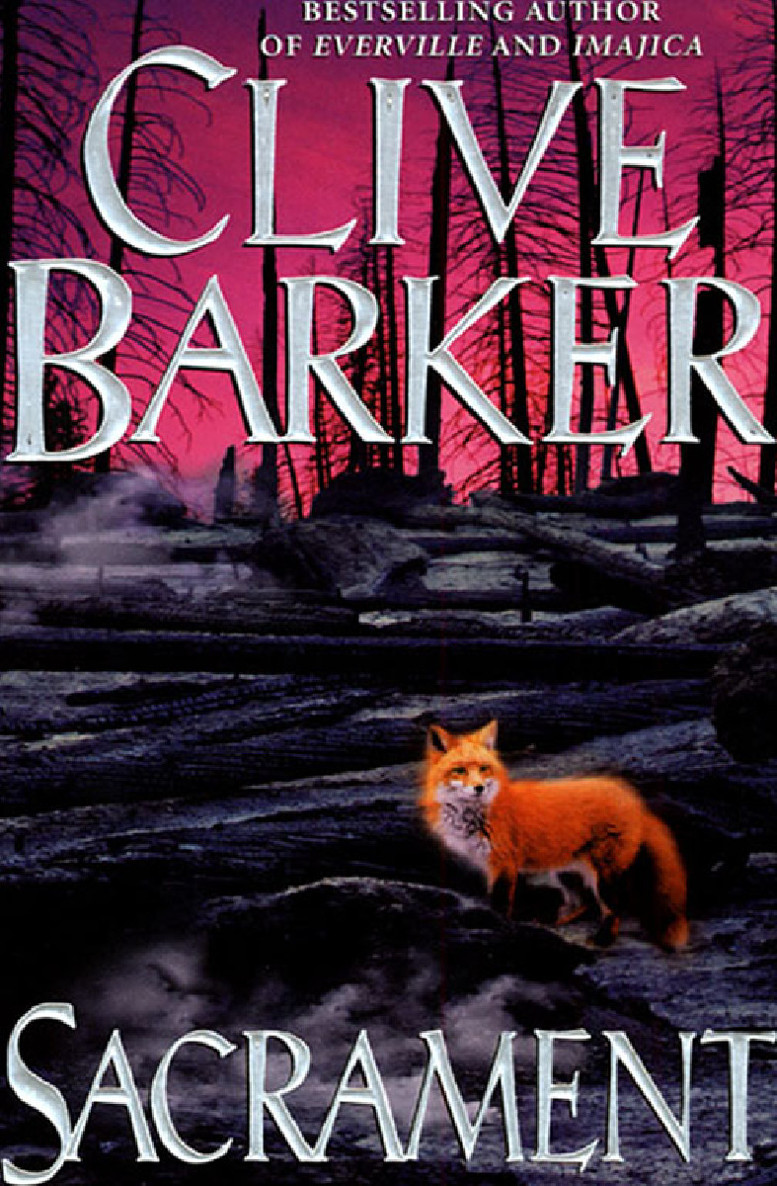
Summary
A boy has an encounter with a man who causes extinctions
of other species, so he grows up to be a man who documents
(and thus appeals for a halt to) those extinctions. This dark
fantasy tale is unlike Clive Barker's other recent ones: it
is more tightly plotted, and more of
this world. In a sequence of well-executed stories
within stories (comparable to Russian dolls), Barker unfolds
a compelling examination of what it means to be human, to be
a man, and to be a gay man--on a planet where aging, disease,
and death bring "the passing of things, of days and beasts
and men he'd loved." A satisfying long novel packed with
vivid images, memorable characters, and a melancholy mood
that reaches for hope.
A giant of horror strides toward mainstream fiction in
this awesome but skewed novel. Not that Barker (Everville,
etc.) has forsaken the fantastic and outre; but here, the
premier metaphysician of dark fantasy mutes his usually
riotous imagery, placing it in the service of an elegy for
the natural world. He also creates his first proudly gay
hero, Will Rabjohns, celebrated for his photographs of
endangered species. Will's profession, as well as his
sojourns in San Francisco's gay community, reflect the themes
of the novel?creation and, above all, extinction, both of
animals and of humans, especially of gay men through AIDS.
The story opens with Will being mauled by a polar bear and
plunging into a coma from which he recalls his boyhood in
England. In flashback, Will meets Steep, a gaunt, inhuman
creature clad in human form, and Steep's lethal, lamia-like
partner, Rosa. Steep's passion is to snuff species into
extinction; his mate's, to give birth to her and Steep's
progeny. Awakening from his coma, Will travels to S.F., then
to England for an apocalyptic climax at a hovel inhabited by
lost species and souls. Barker's prose is as fertile as
always, and his characters are rubbed raw with life and
death; but the story line lacks the narrative urgency and
grand arcs of his other works. The symbolism can be strained
at times. Likewise, despite the thematic paste, the gay and
fantasy elements don't bond well, though both provoke moments
of breathtaking drama. Even in this fractured tale, Barker
presents an astonishing array of ideas, visions and
epiphanies; but they're seen as if through a glass beveled
and crazed.
Amazon.com Review
From Publishers Weekly